

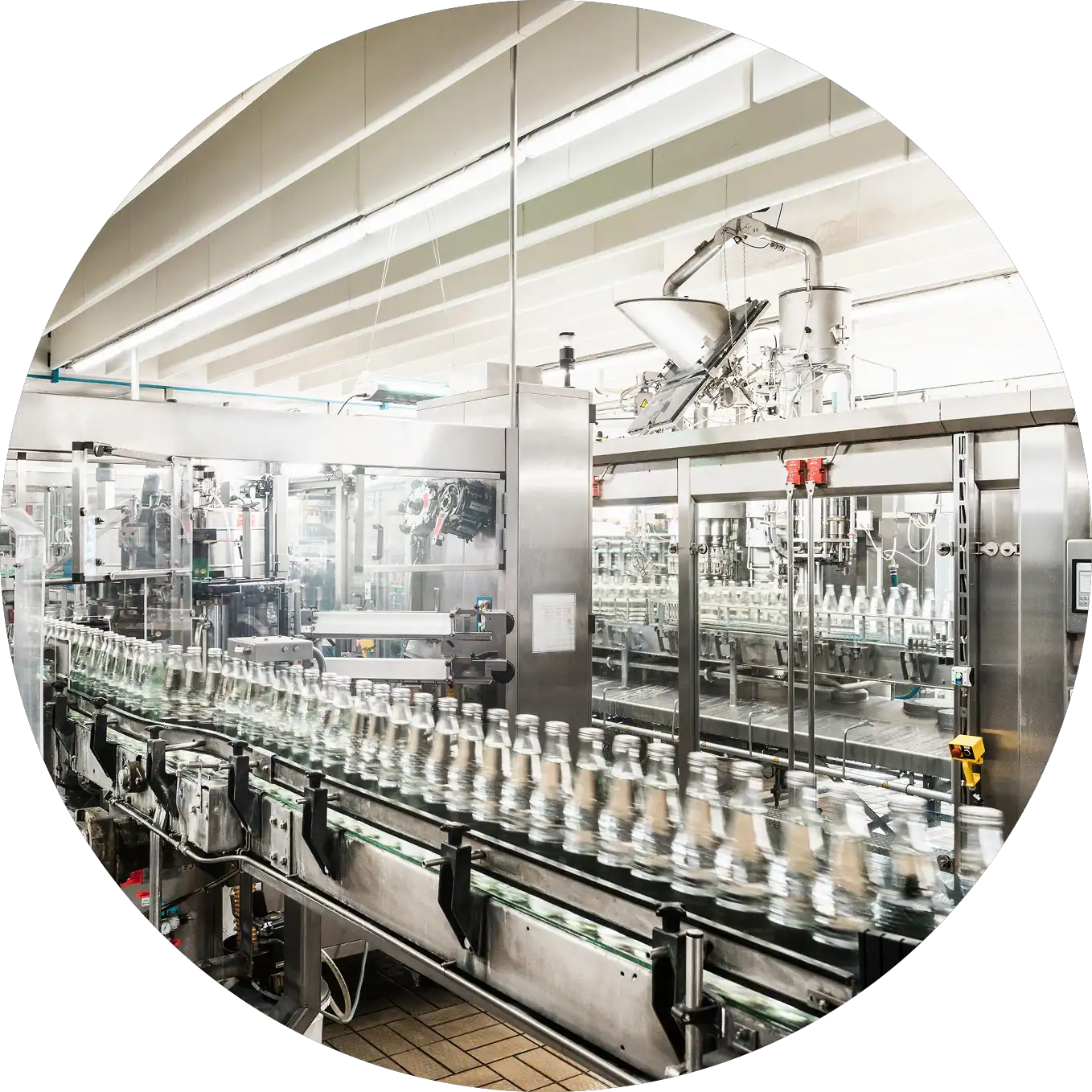
Industrial Waste Solutions for Food and Beverage Manufacturing
For production facilities and processing plants across Canada.
We manage production byproducts and organics, plastics, pallets, chemicals, and high-volume waste, with right-sized service levels, vendor coordination, and Waste Metric reporting, built for dock efficiency, uptime, and heavy materials.
Trusted by brands that lead
Discover Case Studies








What We See in Food & Beverage Waste Programs?
Food and beverage facilities generate high-volume, fast-moving waste streams that can impact production flow if they aren’t managed properly. Here’s what we typically see and where the quickest improvements come from.
Common waste challenges
High organics volume, packaging waste, dock congestion, contamination between streams, and pickup schedules that don’t match production cycles.
Fastest cost-saving fixes
Optimize container sizing, align pickups to production schedules, improve separation of organics and recyclables, and verify invoices against contracted rates.
How you benefit
A data-backed waste program that supports production efficiency, reduces unnecessary hauls, improves diversion, and provides clear reporting through Waste Metric.
Why Food and Beverage Manufacturers Partner with Waste Solutions
Our food and beverage manufacturing waste programs are built around dock efficiency, uptime, and heavy materials. We right-size service to production volume, consolidate vendors under one program, and turn high-volume byproducts into measurable diversion, backed by reporting that stands up to internal reviews and ESG requirements.

Real Cost Savings
Benefits
- National buying power
- Hauler contract & negotiation expertise
- Service level optimization

Recycling Solutions
Benefits
- Cost effective recycling programs
- Education & engagement
- Monthly sustaibability reports

Vendor Management
Benefits
- Audit, critique & process invoices
- Troubleshoot service issues
- Single point of contanct

Innovative Technology
Benefits
- Cloud-based online client portal
- AI & Ultra-sonic sensors

Waste Services for Food and Beverage Production
01
Large-scale diversion programs for production byproducts and organic spoils, converting manufacturing waste into sustainable outputs like animal feed or compost to significantly lower tipping fees.
02
Strategic management of high-volume packaging waste, including plastics, shrink wrap, and pallet scrap, utilizing smart technology to optimize pick-up frequency and dock efficiency.
03
Professional disposal solutions for on-site medical clinics and safety stations, ensuring all clinical waste is managed with the highest level of safety and documentation for your workforce.
04
Expert management of industrial cleaning agents, specialized lubricants, and chemical byproducts with full manifest tracking to ensure your facility remains in total regulatory compliance.
05
Industrial-scale grease interceptor maintenance, providing proactive partnership to prevent costly production shutdowns and plumbing failures.
06
Bulk used cooking oil collection for high-volume processors, ensuring high-value diversion and sustainable waste output.
07
Heavy-duty industrial compactors, vertical balers, and specialized food-waste depackaging systems designed to handle the rigorous demands of a 24/7 manufacturing environment.
Insights That Deliver
From client case studies to industry perspectives, this collection highlights how smarter waste strategies lead to better results.

Sustainable Waste Management
earth day every day: how small businesses can lead in waste management and recycling solutions
Read more

Retail | National Business
TSC Stores realizes over 35% savings while streamlining multi-province vendor management.
Read more

Sustainable Waste Management
Innovating plastic waste solutions: our interview with the University of Toronto Trash Team
Read more
Let’s talk about your waste program
Share a few details about your site and current waste services, and a member of the Waste Solutions team will follow up with tailored recommendations. No pressure or obligation to sign up. Just a clearer view of how your program can perform better.
When you contact us, you get:
- A response within 24 hours
- A thorough assessment of service gaps and cost-saving opportunities in your waste and recycling program
- Insight into products, services, and strategies that fit your needs.
- Guidance on next steps, from single-location to multi-site programs
Frequently asked questions
-
What does Food & Beverage Manufacturing waste management include?
Food and beverage manufacturing waste management covers high-volume production streams: production byproducts and organics, plastics, pallets, packaging, chemicals, and general waste. Waste Solutions Canada designs the right streams for each plant. It coordinates vendors, equipment, pickup schedules, and reporting across Canada to improve service and reduce total waste costs for production facilities and processing plants.
-
What affects cost the most for this industry?
Key drivers are container size, pickup frequency, material weight/volume, and contamination. For multi-site programs, vendor consistency and reporting needs also impact scope.
-
Do you provide equipment like compactors or balers?
Yes. We recommend compactors and balers to reduce pickups and improve recovery for packaging streams like cardboard and film.
-
Can you manage regulated waste streams from production or maintenance?
Where applicable, yes. We coordinate hazardous waste disposal and documentation (manifests/certificates) for regulated materials.
-
How do you reduce hauling costs in high-volume facilities?
We right-size containers, optimize pickup frequency, and improve stream separation to reduce unnecessary hauls and contamination fees.
Ready to work together?

20+
years in business

50M+
in savings

98%
client retention rate

5000+
sites managed