

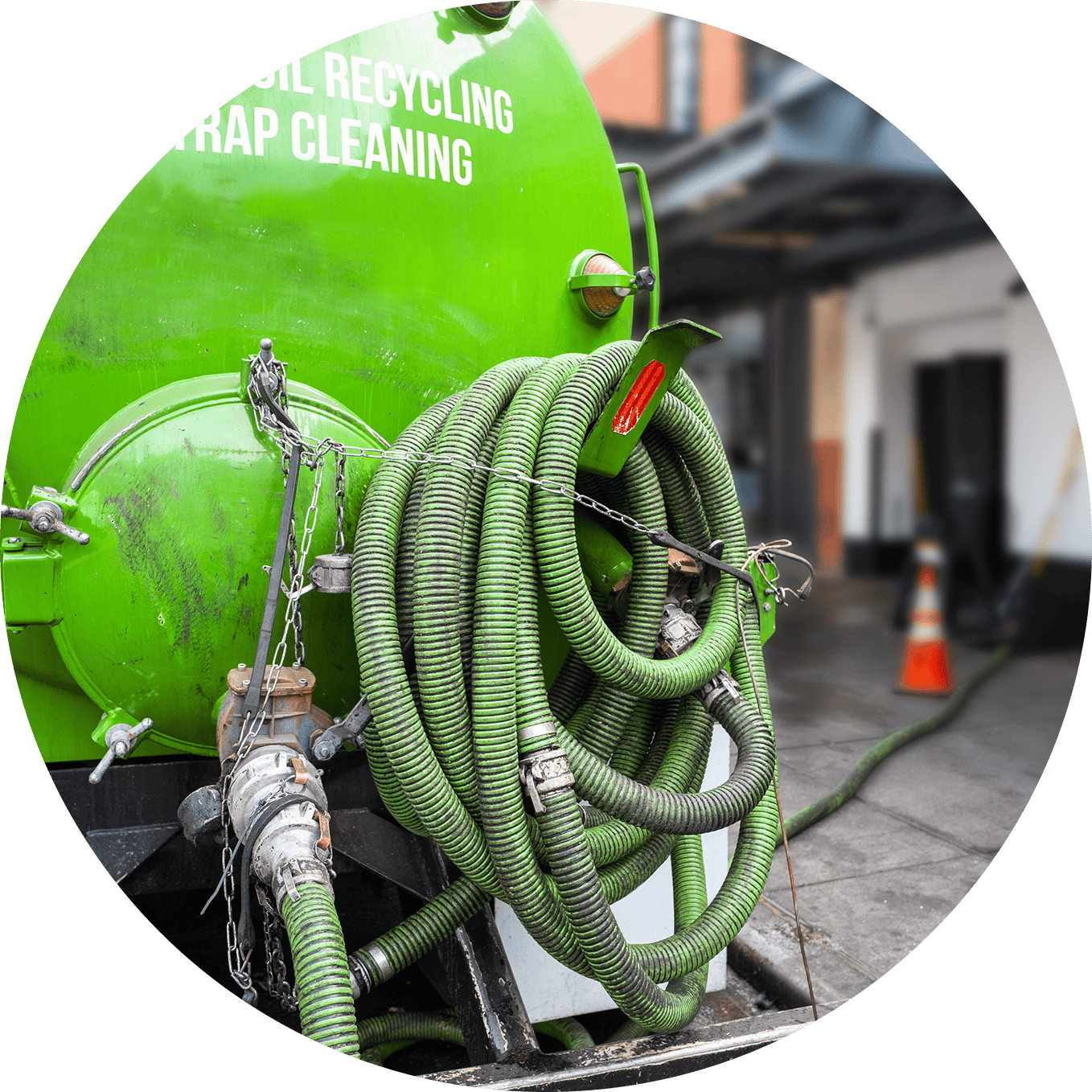
Grease Trap Cleaning and Pumping Services
Scheduled grease trap cleaning, pumping, and compliance reporting to prevent backups, odours, and municipal fines.
A grease trap, or grease interceptor, captures fats, oils, and grease before they enter the sewer. Waste Solutions manages grease trap cleaning with scheduled service, emergency support, clear workflows, and digital records to help food service teams prevent backups, odours, and compliance issues while aligning service to real kitchen volume.

Prevent backups and odours
Waste Solutions Advantage
Consistent cleaning reduces clogs, slow drains, and customer-facing odour issues.

Stay inspection-ready
Waste Solutions Advantage
Service frequency and records built for municipal and health inspections.

Avoid emergency costs
Waste Solutions Advantage
Preventative maintenance lowers reactive call-outs and downtime.

Centralized documentation
Waste Solutions Advantage
Digital service records make compliance and audits easier, especially across multiple sites.
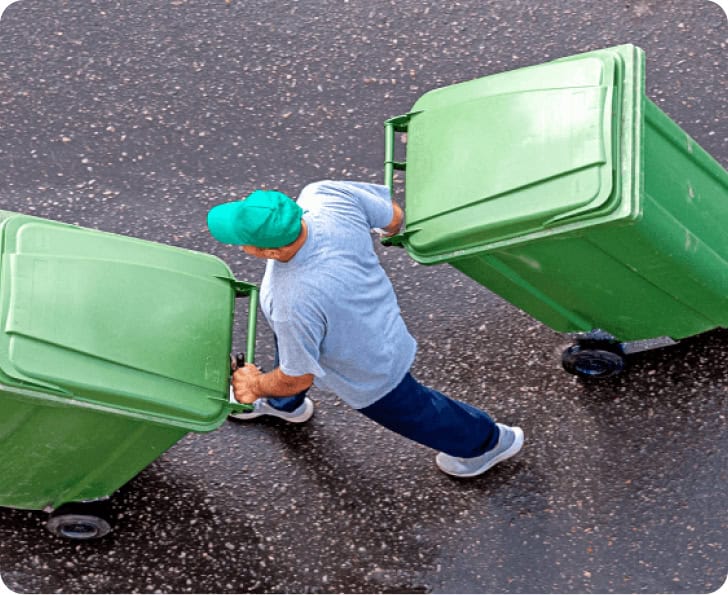
Services we offer
A well-managed grease trap program is one you don’t have to think about. We right-size your schedule, coordinate service, and keep the records ready when inspectors ask.
-
Regularly scheduled collection, cleaning, and maintenance
Planned pump-outs and cleanings based on your grease load and local
-
24-hour emergency response network
Access to urgent service support to prevent overflow and operational shutdowns.
-
Flushing, drain cleaning, snaking, and catch-basin services
Additional drain services to keep lines clear and reduce repeat issues.
-
Industry-leading customer support
One point of contact for scheduling, coordination, and documentation.
Materials we handle
Grease trap service typically involves removing “brown grease”, the mixture of FOG, water, and solids captured by the trap. We manage removal and compliant disposal pathways.

FOG and solids captured in the trap
Fats, oils, grease, and food solids removed during cleaning/pumping.

Grease interceptor waste
Higher-volume systems require scheduled pump-outs and managed disposal.

Wastewater and slurry
Liquids generated during service managed through appropriate disposal methods.
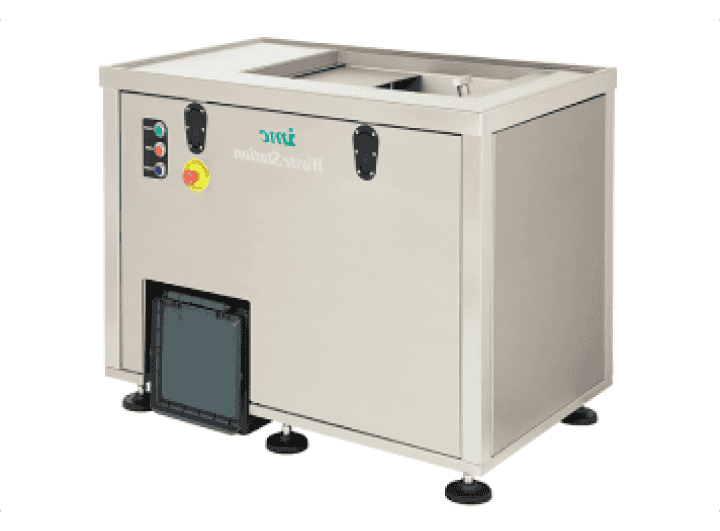
Equipment types
Grease traps come in different configurations. We support service schedules and maintenance for common commercial kitchen system types.
-
Under-sink grease traps
Compact units common in small kitchens; typically require more frequent cleaning.
-
In-ground grease interceptors
Higher-capacity systems for larger kitchens or multi-tenant buildings; service frequency depends on grease load.
-
Drain lines and catch basins
Where needed, we coordinate cleaning and snaking services to keep lines flowing and reduce backups.
Value-added programs
Value-added programs help you reduce surprises and stay consistently compliant—especially for multi-site operations.

Coordination of services
One schedule and one point of contact across sites and vendors.

Detailed reporting for compliance
Service logs and documentation for inspections and audits.

Digital service records
Fast access to records for health, safety, and municipal reviews.

Preventative maintenance
Reduce emergency calls, downtime, and plumbing costs.

Repairs
Coordinate repairs when issues are identified during service.

Replacements
Plan replacements and upgrades when systems are failing or undersized.

Waste solutions that work smarter
Most businesses generate more than one waste stream. We can bundle services into one coordinated program through technology-enabled solutions, one point of contact, standardized service levels, and reporting that’s easy to share internally.
01
Smart organics recycling solutions that divert material from landfill, reduce disposal costs, and strengthen your sustainability performance.
02
Customized waste and recycling programs designed around your operations, using real data to reduce costs and improve efficiency.
03
Safe, compliant biomedical waste programs designed to protect your people, your facility, and the environment.
04
Comprehensive hazardous waste programs that ensure safe, compliant, and responsible disposal.
05
A sustainable collection program that provides proper containment, predictable pickup, and detailed tracking to maximize commodity revenues and strengthen your compliance.
06
Scheduled service, emergency support, and digital record keeping that prevents backups, ensures compliance, and keeps your kitchen running without disruption.
07
A full range of containers, compactors, balers, and waste handling systems designed to reduce waste volume, improve efficiency, and keep operations running smoothly.
Industries leading the way in smarter waste management
Different industries generate different waste streams and the best programs are built around operations, compliance, and reporting needs. We partner with high-performing sectors to deliver cleaner, more efficient, and more cost-effective waste solutions powered by data and insight.

Restaurant and Hospitality
From fast food to fine dining, we help restaurants, hotels, and entertainment venues streamline waste operations and strengthen sustainability performance.

Senior Living & Healthcare
We support long-term care and retirement facilities with safe, compliant waste programs that protect residents, staff, and the environment.

Manufacturing & Industrial
Our industrial and food manufacturing partners rely on us for smarter, safer waste solutions that improve efficiency, control hauling costs and compliance risk.

Property Management
From retail centres to residential complexes, we help property managers streamline waste operations and strengthen sustainability performance across their portfolios.

Insights That Deliver
From client case studies to industry perspectives, this collection highlights how smarter waste strategies lead to better results.

Sustainable Waste Management
earth day every day: how small businesses can lead in waste management and recycling solutions
Read more
Retail | National Business
TSC Stores realizes over 35% savings while streamlining multi-province vendor management.
Read more

Sustainable Waste Management
Innovating plastic waste solutions: our interview with the University of Toronto Trash Team
Read more
Let’s talk about your waste program
Share a few details about your site and current waste services, and a member of the Waste Solutions team will follow up with tailored recommendations. No pressure or obligation to sign up. Just a clearer view of how your program can perform better.
When you contact us, you get:
- A response within 24 hours
- A thorough assessment of service gaps and cost-saving opportunities in your your waste and recycling program
- Insight into products, services, and strategies that fit your needs.
- Guidance on next steps, from single-location to multi-site programs
Frequently asked questions
-
What is a grease trap and why do I need one at my facility?
A grease trap (grease interceptor) is a plumbing device that captures fats, oils and grease (FOG) before it enters the sewer. If you operate a commercial kitchen, food-service venue, hotel or food-preparation facility, a properly maintained grease trap is required by most municipal sewer regulations, and failing to install or maintain one can result in blockages, fines or shutdowns.
-
What grease trap services do you provide?
We provide end-to-end grease trap management including sizing, installation, scheduled cleaning/pumping, waste removal, compliance documentation, and support for maintenance needs.
-
How often does a grease trap need to be cleaned or emptied?
Frequency depends on system size, grease volume, and local regulations. A common rule of thumb is servicing when grease and solids reach about 25% of trap’s capacity. We work with you to establish a schedule – monthly, quarterly or more frequently, so you stay compliant and avoid backups.
-
What happens if I don’t properly maintain my grease trap?
Poor maintenance can cause slow drainage, odours, clogs and sewage backups. In addition, municipal sewer systems and treatment plants can charge businesses or impose penalties if FOG is improperly discharged.
-
How does grease trap service connect to used cooking oil collection?
They’re different streams, but operationally they affect the same kitchen workflows. Aligning them can reduce mess, improve scheduling, and simplify accountability. Contact us to know more!
-
What records and reporting do you provide?
We provide service documentation, disposal certificates and reporting that supports inspections, internal audits, and sustainability tracking where relevant. We also offer insights on FOG diversion and cost-savings opportunities.
Ready to work together?

20+
years in business

50M+
in savings

98%
client retention rate

5000+
sites managed